
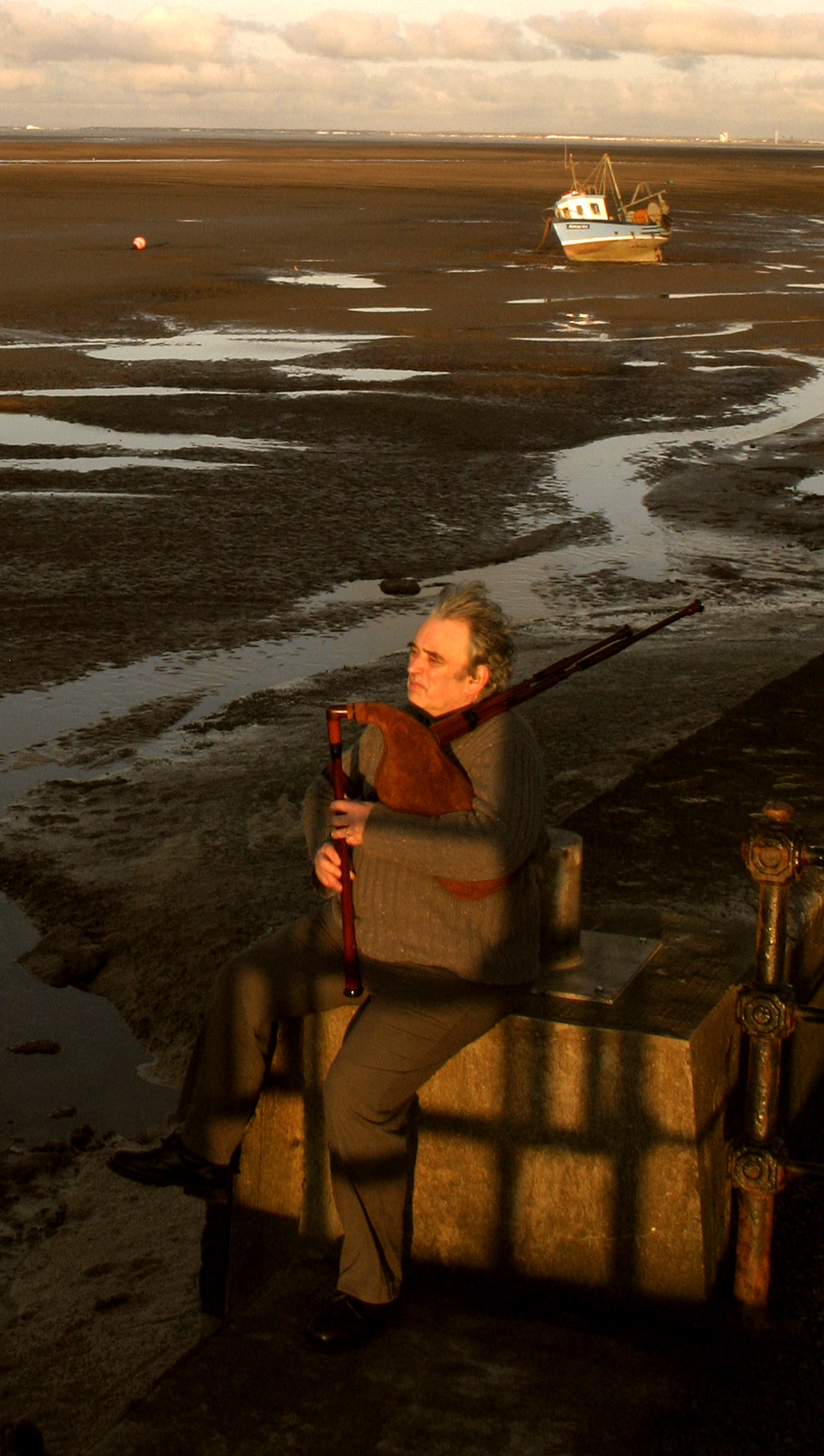
 An affair with time – a personal view of Catalan music.
I met Catalan Music in an unusual way. It appealed to my personal obsession with how food, dance, stories and music fit into their landscapes and their epochs.
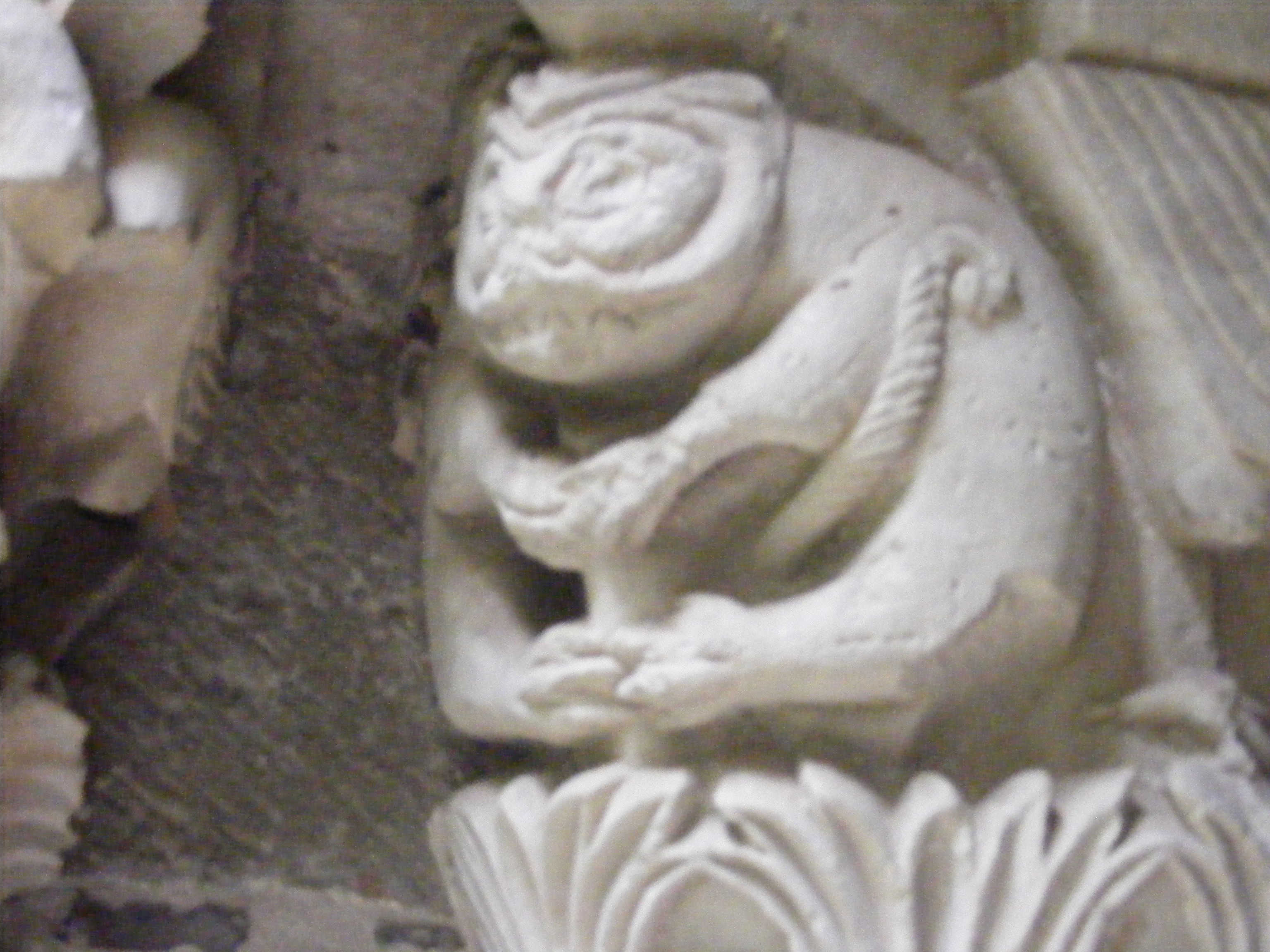 When I was researching European bagpipes, I heard of attempts after a gap of many years to revive the Catalan bagpipe, called amongst other things, the Sac de Gemecs or “bag of moans.” Over the years I’ve watched the development of this instrument, as local musicians recreated the sound and shape as well as the style of playing, so that now there are many professional makers of great-sounding sacs.
The quality of playing has improved, and in the region young people can learn traditional instruments in a way that the rest of Europe should envy. Many types of music have grown to suit new instruments or fashions, but what is also refreshing in the region, is that musicians have looked at the heritage of older forms. 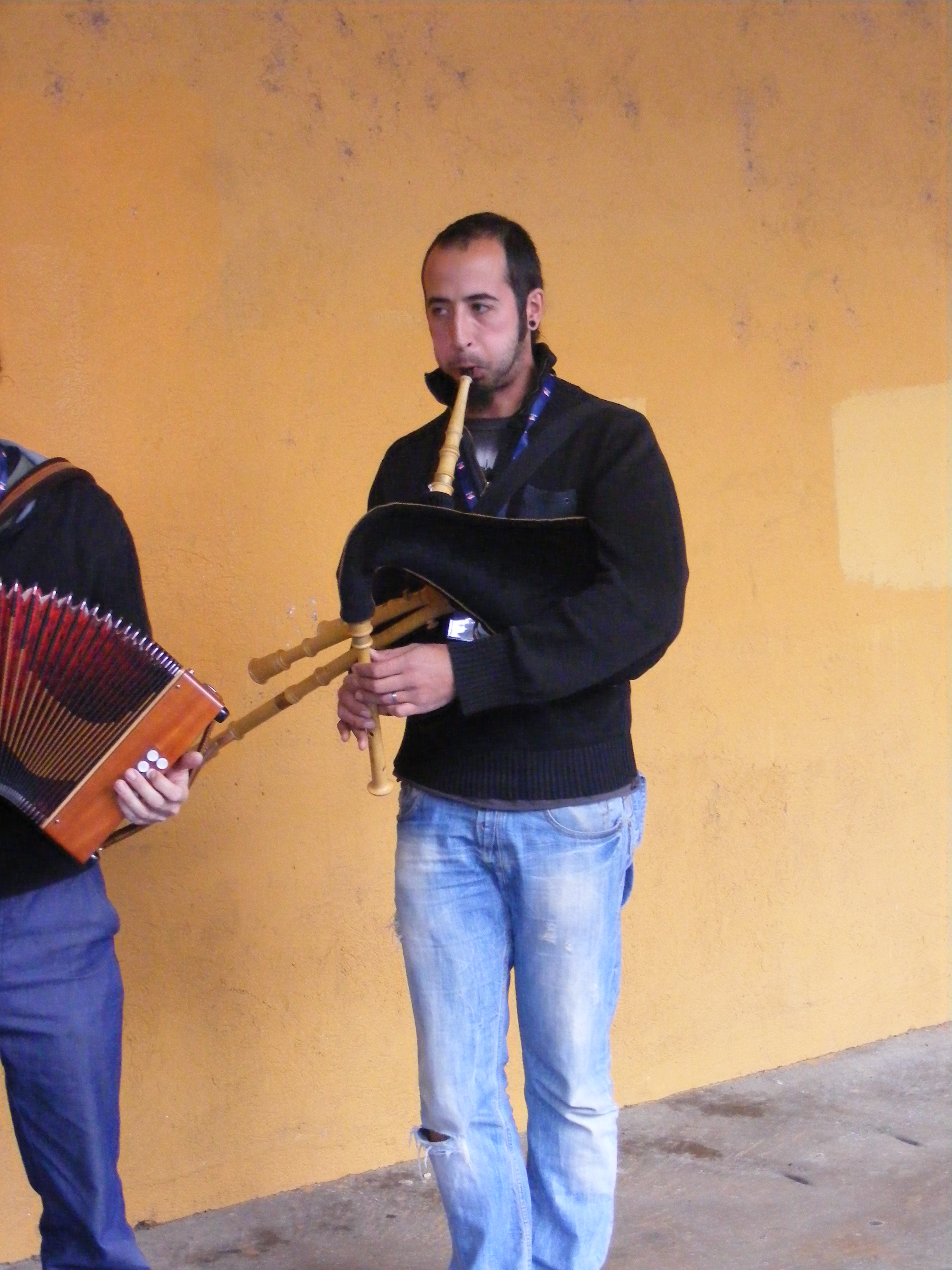
An example is the cobla: the evocative and elaborate wind band that plays for the distinctive sardanes (circle dances.) I’ve delighted to see the bagpipe reintroduced in a recreations of an older traditions of “cobles de tres Quartants” – bands of three musicians one of whom plays the “Sac de Gemecs.”
I’ve heard similar stories about how traditions have been handed on for accordion players, and how old styles of fiddle playing have been rescued from obscurity and taught to many hundreds of the next generation. Over many meals, many presentations of performances and many radio interviews, and through many friendships, I’ve heard how many strands of music make up the region’s riches. 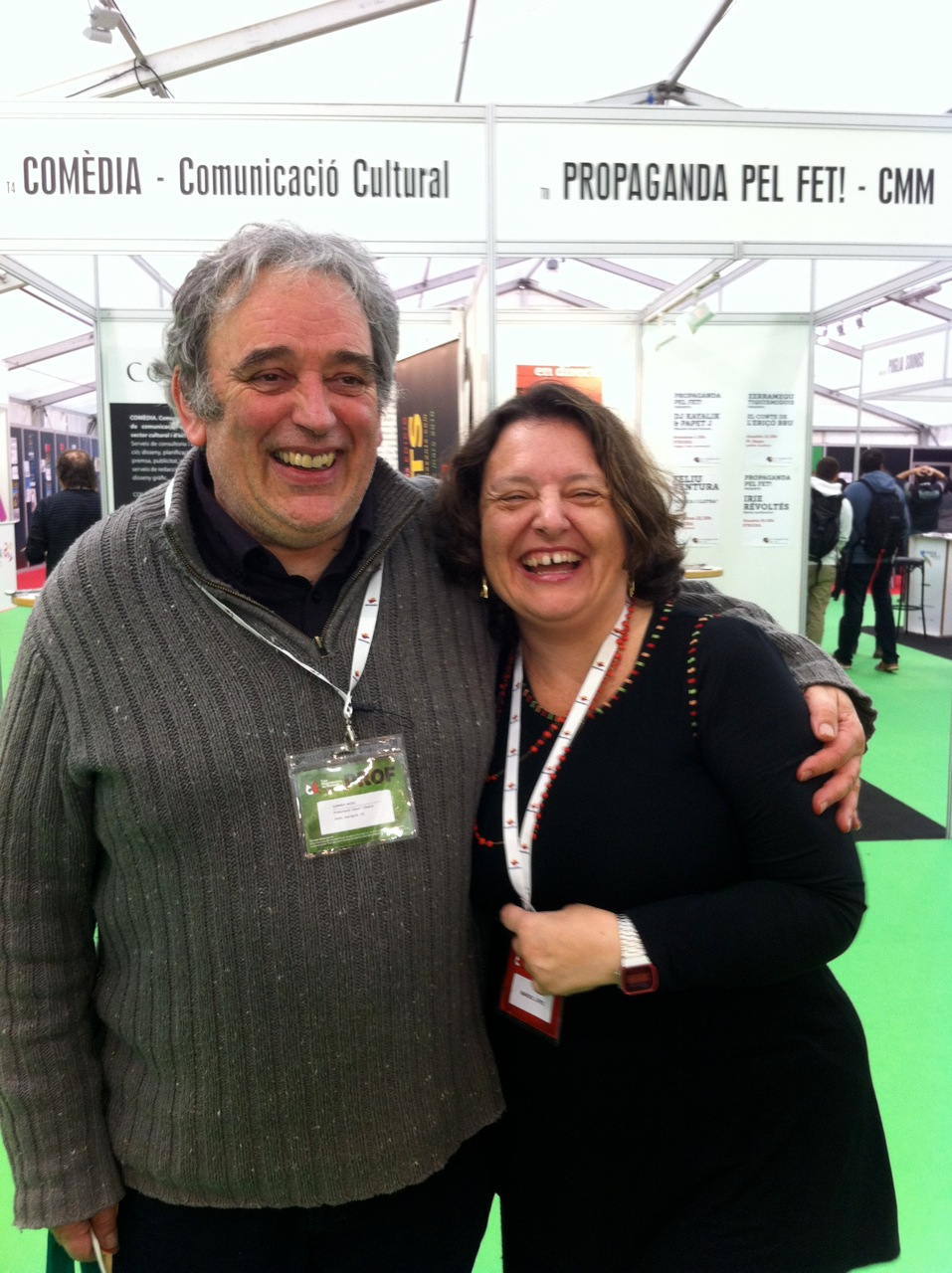 One friend described how she’d grown up thinking that she had no time for traditional music, but coming to recognise that the music was still part of her heartbeat, and part of her identity. Many in the region reflect, after the many years of cultural repression, that their music is something they treasure, as if they were returning from exile.
The sardana is for many an emblem of togetherness; a dance in which people of all ages can join hands and feel part of something special, timeless, intense, and powerful but measured, keeping time with the people and their land. Other great strengths exist throughout Catalan music such as some of the world’s most significant singer/songwriter traditions that encompass both troubadour, political protest, cantaor and rumbero. There’s the music that has continued to accompany festes, marking social events, providing the pulse for human castle-builders or giving a grand entrance to the dancing giants, dragons and eagles. Riches include the rediscoveries of older music, the successful cultural cross-overs, the dances from the high Pyrenees, to the songs of the sailors and fishermen afloat in the Mediterranean. Without meaning to, and often without being aware of it at the time, when I was collecting the stories, I’ve listened to this music and come to love and respect it. I’ve had to forget all my assumptions about how folk music should sound, and learn that this is an area where music is both sophisticated, modern, mediaeval and timeless all at once.
Perhaps an example? el ball del Rogle a dance from Areny from the Alta Ribagorça region of Catalunya. This is a dance that circles around a tree that once grew in the centre of a village: some guess it’s a prehistoric remnant of paying homage to ancestral spirits in the trees; some suggest that as it forms an open circle, it’s the originator of Catalunya’s characteristic and incredibly popular sardana. To me, even if the dance is happening in school or community hall many miles away, that tree is there too, as another dancer through time, and as another player of music heard only in the soul. Like so much of Catalan music and dance, it welcomes you in to something both simple and unexpected, both ancient and timeless.
Above all, it is music to be absorbed into your heart and soles of your feet, not music to be written about.
Philip David Ellwand
Illustrations, David-Thomas Crawley, Fira Mediterrania, Paddy Byrne

 Ellwandery